 Call Us : 07971189345Call Us : 07971189345
 Send Inquiry
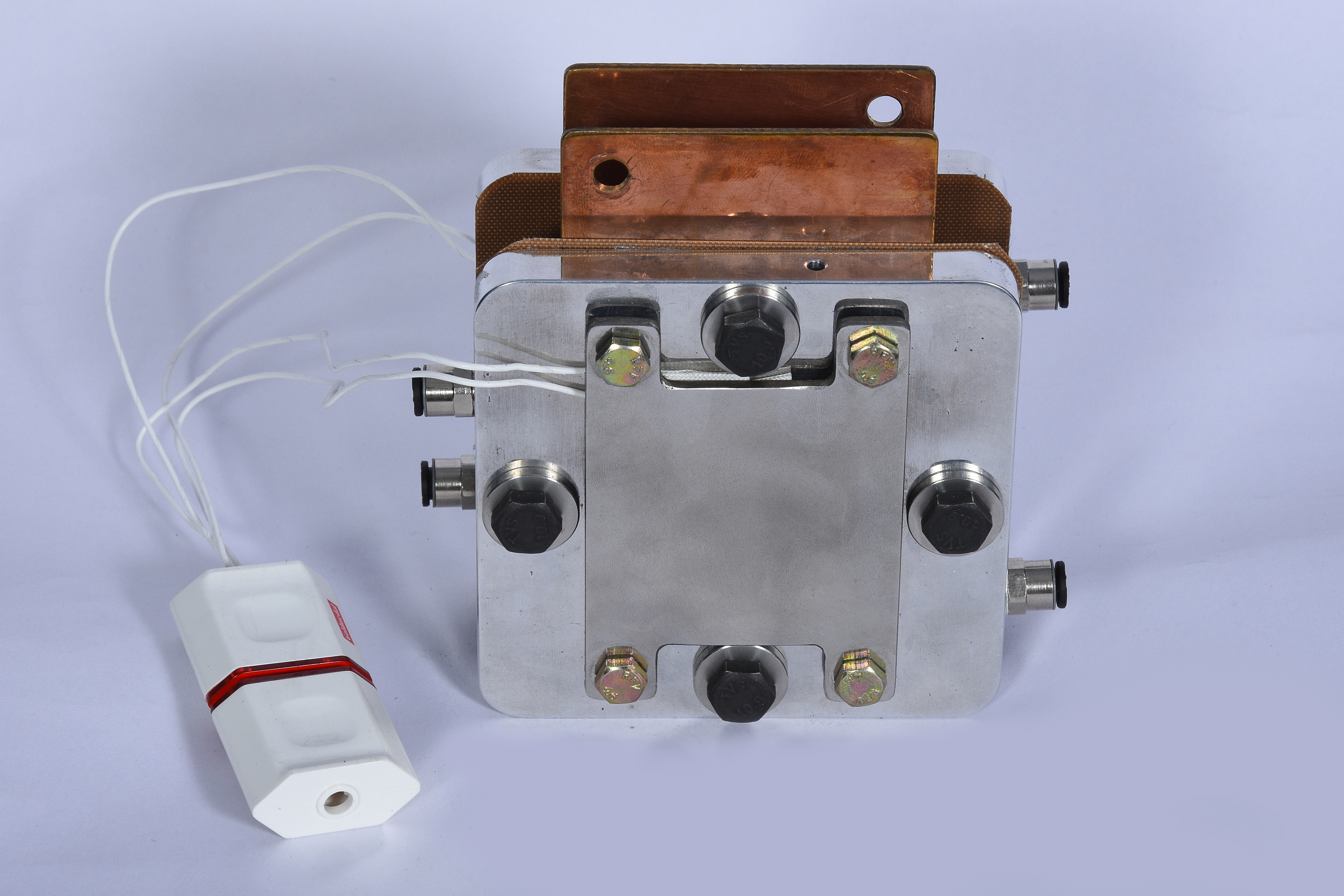
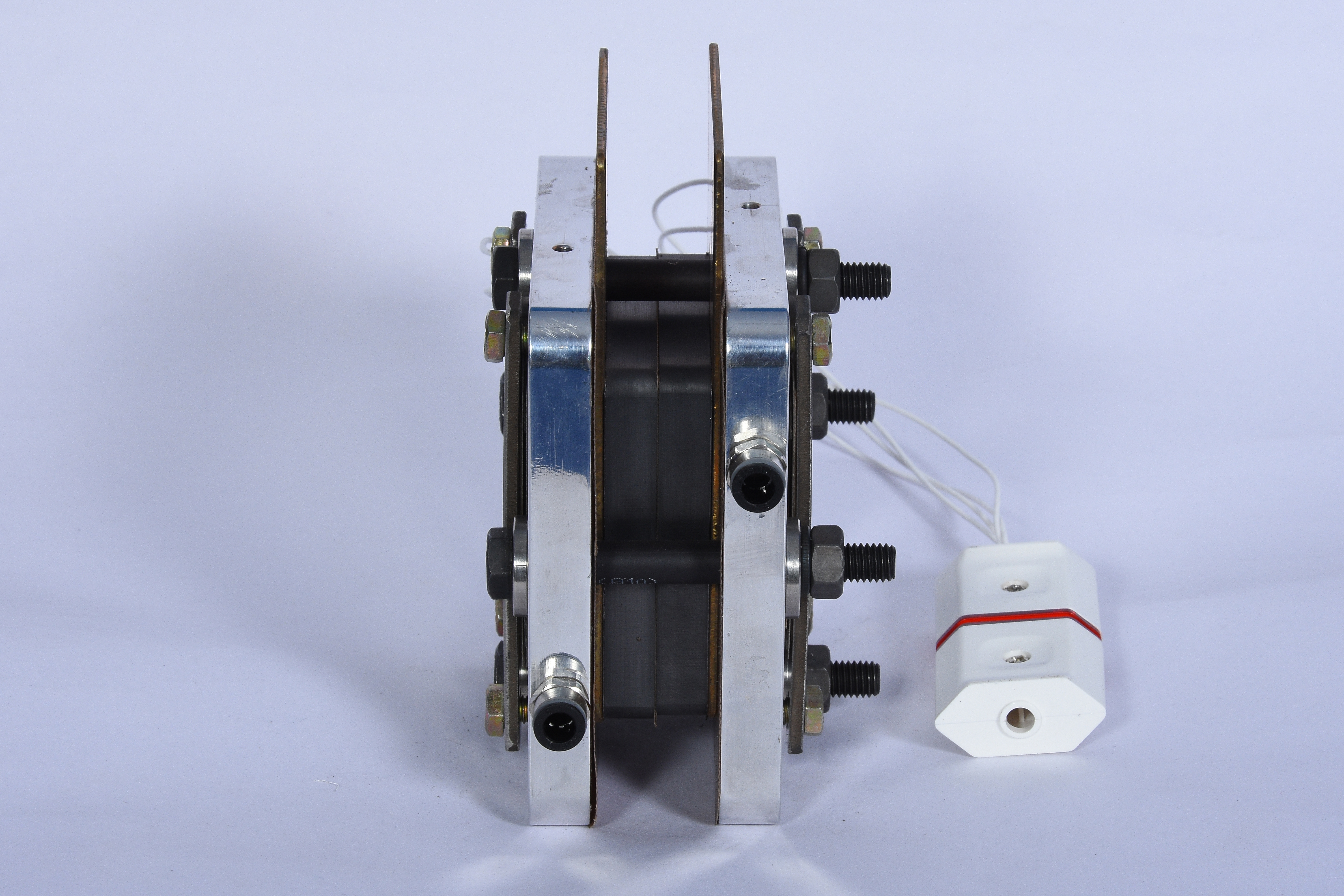
Single Cell Assembly
MOQ : 1 , , Unit
Single Cell Assembly Specification
- Product Type
- Single Cell Assembly
- Usage
- Laboratory/Research
- Material
- Stainless Steel
- Capacity
- Customizable
- Nominal Capacity
- Varies per cell type
- Terminal
- Screw Type
- Sealed Type
- Yes
- Voltage
- Up to 5 V
- Surface Finishing
- Polished
- Board Thickness
- 4 mm
- Size
- Standard
- Dimension (L*W*H)
- 150 mm x 100 mm x 50 mm
- Weight
- 2.5 kg
- Electrode Holder Material
- PEEK
- Optical Window
- Quartz (optional)
- Gas Port
- Yes
- Pressure Rating
- Atmospheric to 2 Bar
- Internal Volume
- ~20 ml
- Temperature Range
- -20°C to 100°C
- Leak Proof Design
- Yes
- Chemical Resistance
- High
- Cell Assembly Method
- Manual
- Compatible Electrodes
- Lithium, Sodium, Custom
Single Cell Assembly Trade Information
- Minimum Order Quantity
- 1 , , Unit
- Delivery Time
- Days
- Main Domestic Market
- All India
About Single Cell Assembly
Specification:
S.No. PEM Fuel cell single cell with MEA
1 Cell Area 25 cm 2
2 Endplate Aluminium
3 Current collector Copper
4 Bipolar Plate Graphite
5 Flow field type Serpentine and parallel
6 Reactant gases H2 and O2
7 Operating volt 0.6 VDC
8 Power output 12 W
9 Temp 30 deg -65 deg max
10 Membrane Nafion 212
11 Catalyst 40% Pt/C
12 Pt loading Anode: 0.25mg/cm2
cathode: 0.5mg/cm2
Versatile Electrode Compatibility
This cell assembly supports a wide range of electrodes, including lithium, sodium, and user-designed/custom options, making it suitable for innumerable electrochemical applications. The PEEK holder ensures stable, non-reactive placement for optimal cell performance in laboratory research.
Robust Design for Precise Experiments
Engineered from polished stainless steel and equipped with a leak-proof structure, the device can withstand rigorous conditions. Its high chemical resistance and pressure rating up to 2 bar allow safe usage with reactive chemicals, providing reliability in advanced research settings.
Adaptable to Laboratory Needs
Customizable capacity and optional quartz optical window offer flexibility for unique research requirements. The cell's standard size and manual assembly make it accessible for quick set-ups, while the screw-type terminals assure secure connections during operation.
FAQ's of Single Cell Assembly:
Q: How do I assemble a single electrochemical cell using this device?
A: To assemble a single cell, manually insert the compatible electrode (lithium, sodium, or custom type) into the PEEK holder, ensure all connections are tight, and seal the cell using the screw-type terminals. Refer to the assembly manual provided for step-by-step instructions.Q: What types of electrodes can be used with this assembly?
A: The cell assembly accommodates lithium, sodium, and custom-designed electrodes, thanks to the versatile PEEK holder. This allows researchers to conduct a variety of electrochemical experiments by simply switching electrode types as required.Q: When is it beneficial to use the optional quartz optical window?
A: The quartz optical window is useful when you need to visually monitor reactions, perform spectroscopic measurements, or study optical properties during cell operation. It is recommended for advanced analyses requiring transparency and chemical inertness.Q: Where is this cell assembly commonly used?
A: This cell is typically used in laboratory and research environments across universities, research institutes, and industrial labs in India. Its features are tailored for experimental electrochemistry, material characterization, and battery research.Q: What process ensures the cell remains leak proof under pressure?
A: The cell incorporates a meticulously sealed structure and high-quality materials. Stainless steel and PEEK components, combined with precision fitting and screw-type terminals, prevent leaks and maintain integrity up to 2 bar pressure.Q: How does the device benefit research and experimentation?
A: Its chemical resistance, customizable capacity, leak-proof design, and electrode versatility provide reliable and flexible performance. These features enable researchers to conduct safe, accurate, and reproducible experiments within varying temperature and pressure ranges.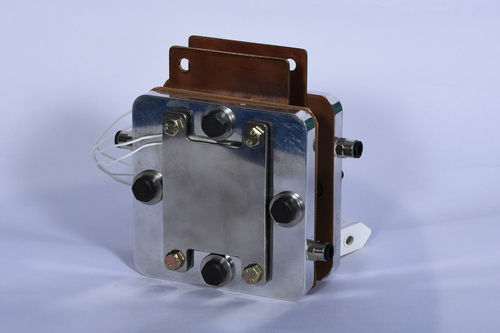
Tell us about your requirement

Price:
Quantity
Select Unit
- 50
- 100
- 200
- 250
- 500
- 1000+
Additional detail
Mobile number
Email


Address
DURALYST ENERGY PRIVATE LIMITED
GST : 33AADCD1427A1ZI
GST : 33AADCD1427A1ZI
- No. - 288 Aleena Tower, 2nd Floor, Burma Colony, 4th Main Road, Chennai - 600096, Tamil Nadu, India
- Phone :07971189345
- Send Inquiry
 Send Inquiry
 Send Inquiry
 Send SMS
 |
DURALYST ENERGY PRIVATE LIMITED
All Rights Reserved.(Terms of Use) Developed and Managed by Infocom Network Private Limited. |
